
U.S. President Donald Trump said the United States was close to reaching a trade agreement with Canada, while Canadian Prime Minister Mark Carney described discussions between the two countries as constructive. The governments have not announced the terms of a potential deal, including any tariff changes.
Trump made the comments on November 1 after arriving at a rally in Iowa. He said he had spoken with Carney on the previous day and linked an agreement to benefits for U.S. farmers and the broader American economy, as well as for Canada.
“We have outlined a very good deal with Canada,” and “We are very close to a deal.” — Donald Trump, speaking to reporters at a rally in Iowa
Carney said on X that he had spoken with Trump on November 1. The Canadian prime minister said the countries were working on an arrangement intended to create jobs, reduce pressure on living costs, and protect Canada’s language, culture and sovereignty.
Tariffs remain unresolved
Negotiating teams from the United States and Canada are expected to continue discussions over the next few weeks. The two countries have imposed tariffs on each other worth tens of billions of dollars in recent months, creating uncertainty for businesses operating across the North American border.
Washington and Ottawa are also discussing reductions in U.S. tariffs on Canadian steel and automobiles. Neither side has disclosed whether those talks have produced an agreement, the level of any future tariff or the timing of a possible announcement.
| Issue | Status reported on November 1 |
|---|---|
| Trade agreement | Trump said the countries were close; terms have not been announced |
| Steel and automobile tariffs | The countries are discussing ways to reduce the U.S. duties |
| Keystone XL pipeline | Trump said the project is included in the talks |
Pipeline project returns to discussions
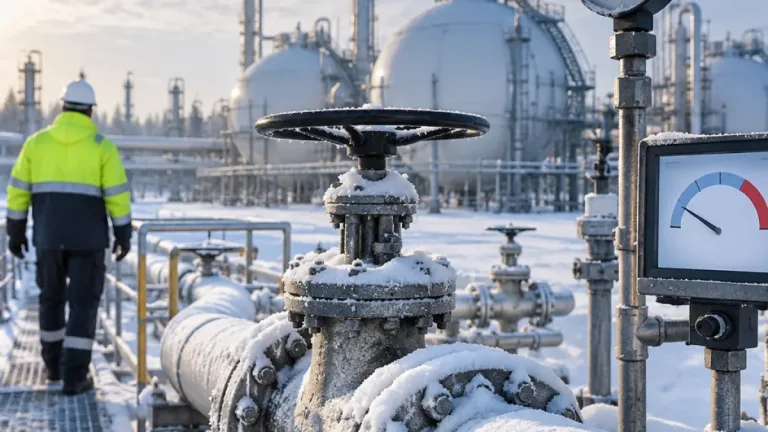
Trump also said the talks include the Keystone XL pipeline, which was intended to carry Canadian crude oil into the United States. He said Canada would pay the construction costs.
The project was halted in 2021, after the Biden administration canceled its cross-border permit because of environmental concerns. The Canadian prime minister’s office did not immediately comment on Trump’s remarks about the pipeline.
Any agreement would need to address both the bilateral tariff dispute and the sector-specific measures under discussion. For now, the public statements from Washington and Ottawa indicate progress in negotiations but do not establish that a deal has been completed.