The U.S. goods-trade deficit widened to $134.9 billion in September, as imports rose more quickly than exports, according to data released Wednesday by the U.S. Commerce Department’s Census Bureau. The deficit increased by $2.8 billion, or 2.1%, from the previous month.
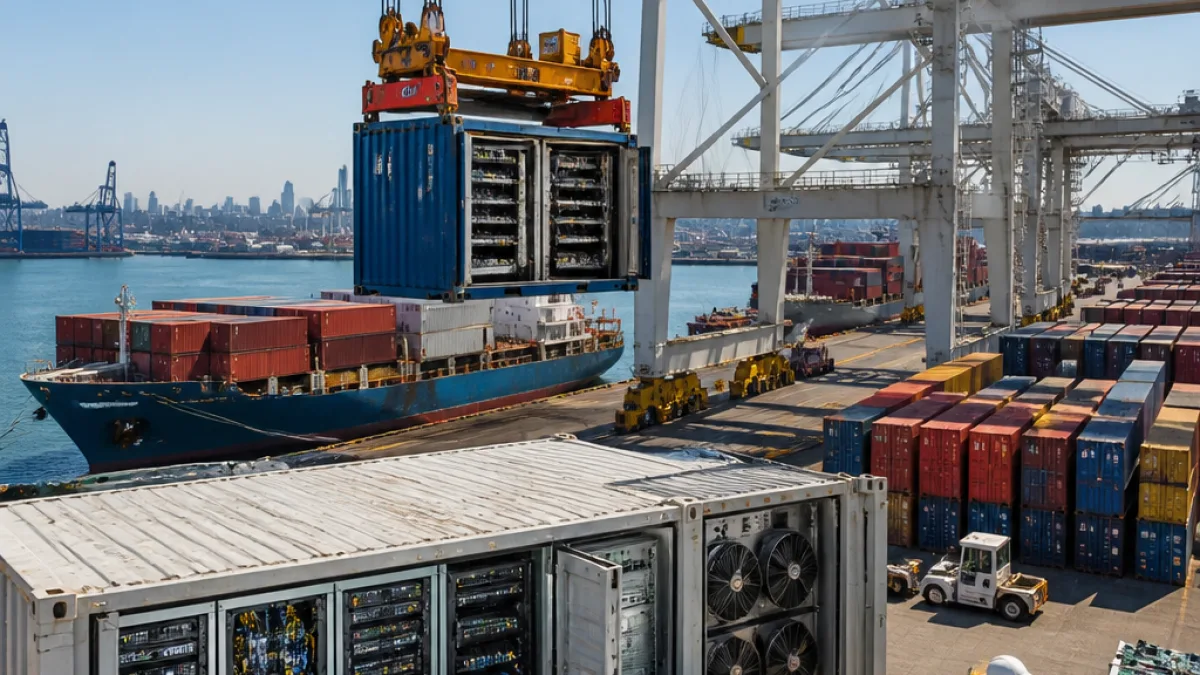
The figures underscore a tension in the current investment cycle. Businesses are committing capital to data centers, computing systems and other equipment needed to expand artificial-intelligence capabilities, but a significant share of that machinery and hardware is produced overseas. The resulting import surge supports domestic investment while reducing the contribution that net trade makes to measured economic growth.
Imports outpace exports
U.S. goods imports increased by $8.1 billion in September to $344.1 billion. Goods exports also grew, rising by $5.3 billion to $209.2 billion, but the increase was not large enough to offset the additional inflow of foreign-made products.
| September measure | Reported result |
|---|---|
| Goods trade deficit | $134.9 billion |
| Monthly change in deficit | Up $2.8 billion, or 2.1% |
| Goods imports | $344.1 billion, up $8.1 billion |
| Goods exports | $209.2 billion, up $5.3 billion |
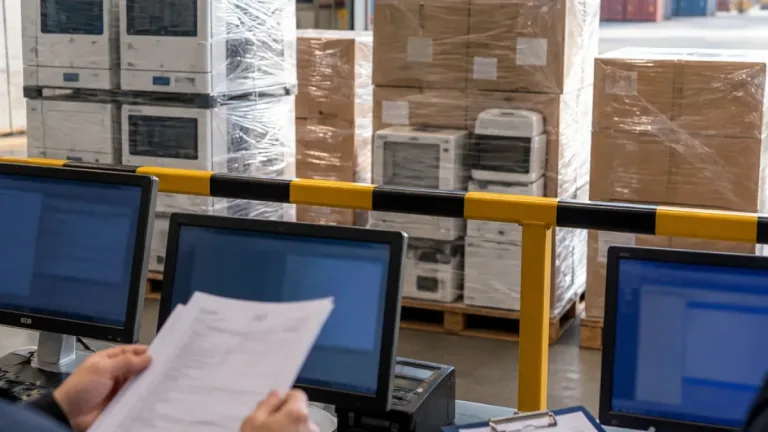
The composition of imports points to continuing reliance on international suppliers for machinery, computer hardware and other capital goods. Equipment tied to AI data centers has become an important part of those flows as companies expand computing capacity and related infrastructure.
Trade remains a drag on growth
Imports are subtracted from gross domestic product calculations because the goods are manufactured outside the United States. That accounting treatment means an increase in imported equipment can coincide with strong business spending but still weigh on the trade component of GDP.
Reuters reported that trade had reduced U.S. economic growth for three consecutive quarters. The September result indicates that international trade may again detract from growth in the July-to-September quarter, although the monthly data capture only one part of the quarter’s activity.
- Imports rose by $8.1 billion in September, compared with a $5.3 billion increase in exports.
- The goods deficit reached $134.9 billion, up 2.1% from the prior month.
- AI-related data-center investment is adding to demand for imported capital equipment.
The data therefore present two sides of the AI investment surge. Spending on data centers and computing infrastructure indicates strong corporate demand and supports activity connected with expansion. At the same time, when the equipment is sourced abroad, more of that spending appears in imports rather than domestic production, limiting the boost from net exports to the economy’s reported growth rate.