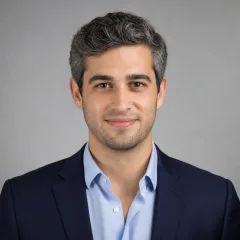

OpenAI CEO Sam Altman met with about 50 senior Samsung executives in South Korea as the artificial intelligence company seeks to expand its computing and memory capacity amid tight supply of components used in data centers, Bloomberg reported.
The meeting took place on Saturday, October 30, at Samsung’s Resources Development Center in Yongin. Executives representing Samsung’s financial, electronics and biotechnology businesses attended, according to the company’s Korean operation.
Samsung Korea confirmed the gathering and said it focused on strengthening the companies’ existing relationship. The discussions follow an October letter of intent covering cooperation on global AI infrastructure, including the supply of memory semiconductors for OpenAI’s Stargate project.
“The Samsung executives and CEO Sam Altman discussed the direction of AI technology development and its potential applications, as well as new markets and business opportunities that will emerge from it,” Samsung stated.
Memory supply is central to AI expansion
AI data centers require large quantities of memory alongside processors, networking equipment and other systems. The meeting places Samsung, one of the world’s major electronics and semiconductor companies, in discussions with a leading AI model developer as OpenAI works to expand the infrastructure behind its services.
Samsung’s businesses span several areas relevant to that buildout. The company’s electronics and semiconductor operations can supply components and systems, while its other divisions could participate in broader commercial opportunities arising from AI adoption. Samsung did not disclose the value or scope of any new agreement resulting from the meeting.
The discussions also come after Altman commented publicly on how limited memory resources should be used. In an interview on the Chick Pink podcast this week, he argued that DRAM installed in personal computers is often underused and suggested that data centers could share computer resources more intensively across AI workloads.
That argument has attracted criticism because OpenAI’s services, including ChatGPT, depend heavily on centralized computing infrastructure. The comments nevertheless underscore the growing importance of memory availability as companies build systems for increasingly demanding AI workloads.
What Samsung confirmed
- Participants: Sam Altman and about 50 senior Samsung executives
- Location: Samsung’s Resources Development Center in Yongin, South Korea
- Existing cooperation: An October letter of intent covering global AI infrastructure and memory semiconductors for OpenAI’s Stargate project
- Topics discussed: AI technology development, applications, new markets and business opportunities
The meeting did not amount to an announcement of a new supply contract, financing arrangement or data-center project. Samsung’s statement described the talks as part of an effort to reinforce the relationship between the two companies. The parties also did not disclose how much memory OpenAI may seek or when any expanded supply would begin.
For the broader AI industry, the encounter illustrates how model developers are engaging directly with component manufacturers as demand for computing infrastructure increases. Access to memory is becoming part of the strategic conversation alongside access to advanced processors and data-center capacity, making semiconductor supply relationships an important element of AI expansion plans.