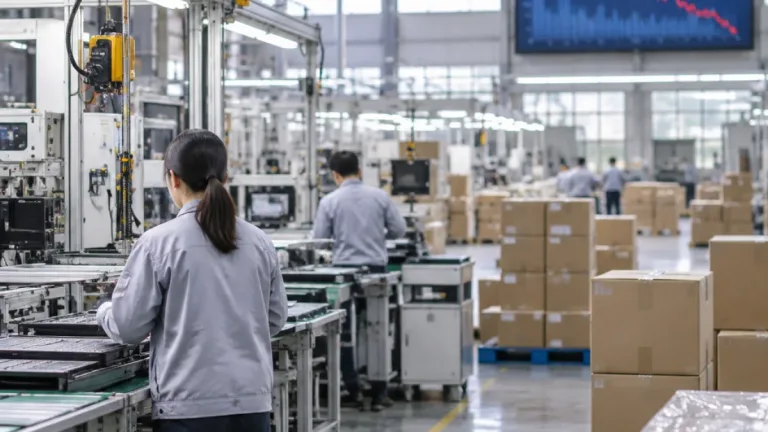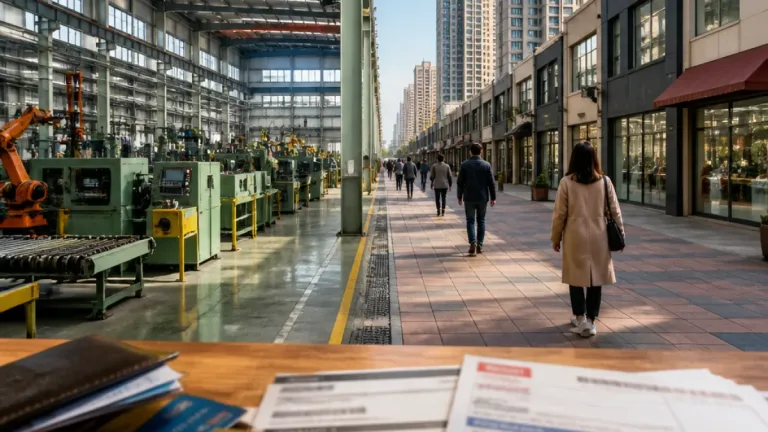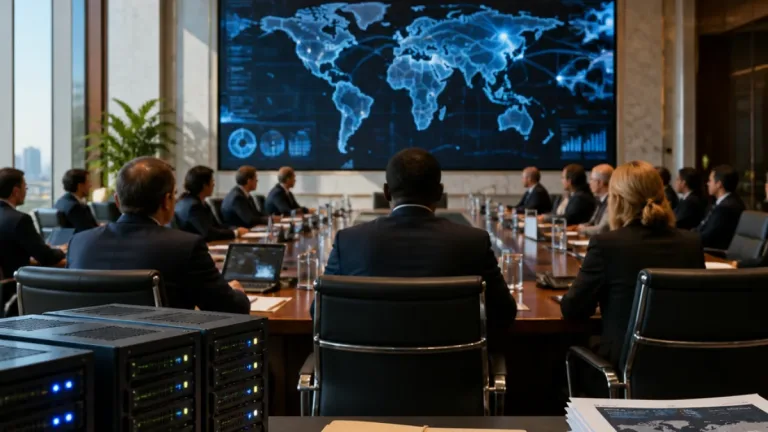
G20 foreign ministers used a meeting in Atlanta to press for more resilient and diversified global supply chains, as governments continue to contend with the effects of conflict, pandemics and climate-related disruptions. India’s External Affairs Minister S. Jaishankar argued that countries should be able to build industrial capacity without facing unfair competition or restrictive trade barriers.
Jaishankar said the global economy would be more stable if production and connectivity were spread across more countries rather than concentrated in a limited number of locations. He also called for markets to be less exposed to political disputes, warning against practices that could turn finance, natural resources, manufacturing capacity or market access into instruments of pressure.
“right to industrialise” — External Affairs Minister S. Jaishankar
A push for broader production networks
The Indian minister’s message centered on the need for G20 governments to support several supply routes and production bases instead of relying heavily on a narrow group of suppliers or transport corridors. He linked that approach to both economic growth and the ability to absorb disruptions affecting trade, investment and industrial output.
Jaishankar said diversification and de-risking were particularly important in connectivity. In his view, a less concentrated global economy could reduce the ability of any single country or group to influence trade by controlling a critical input, production center or market share. He urged governments to coordinate national priorities in order to develop supply chains that are more transparent and involve multiple stakeholders.
- Industrial development: Countries should have room to expand manufacturing without unfair competitive pressure or trade restrictions.
- Supply-chain resilience: Production and connectivity should be diversified across more geographic areas.
- Market stability: G20 members should limit the politicization and potential weaponization of finance, resources and commerce.
Shipping routes remain a concern
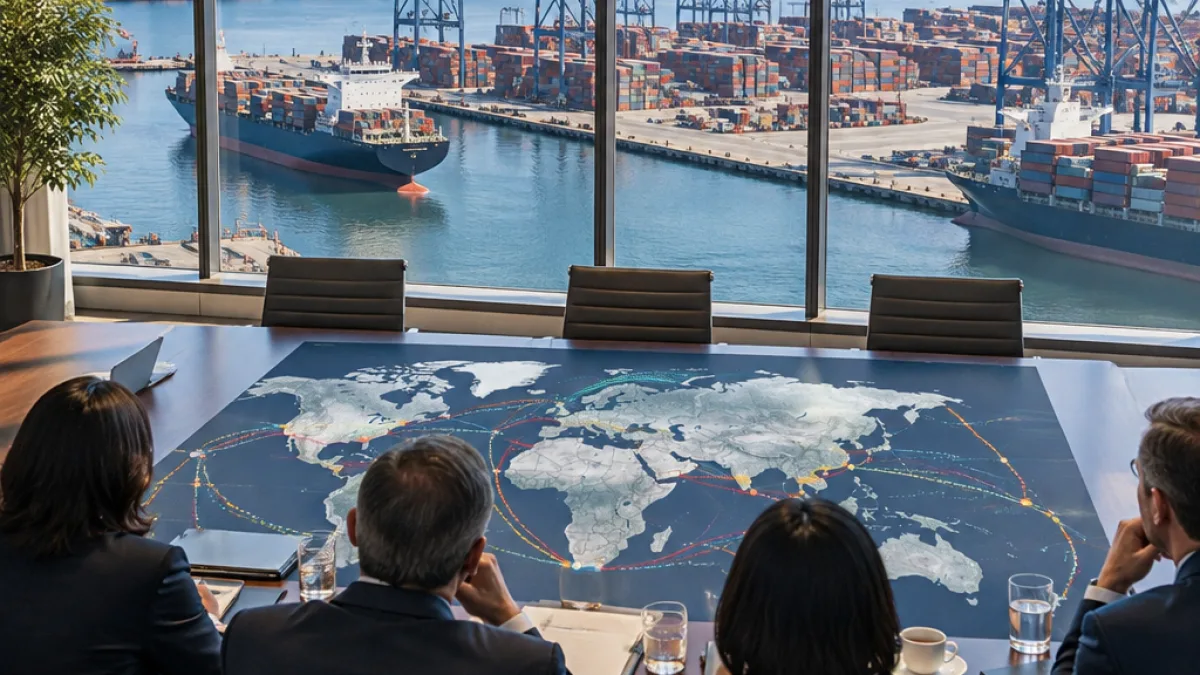
U.S. Secretary of State Marco Rubio, who hosted the meeting, also emphasized the importance of secure supply chains for economic growth. His remarks pointed to the Strait of Hormuz and the Bab al-Mandeb Strait as critical routes that need to remain open and secure for commercial traffic.
The two waterways are central reference points in global trade discussions because disruption in either corridor can affect the movement of energy and other goods between major markets. The meeting’s focus placed maritime security alongside industrial policy and trade rules as part of the broader effort to strengthen the international economy.
Jaishankar also attended a Quad foreign ministers’ meeting and held discussions with Russian Foreign Minister Sergey Lavrov on international issues, according to IANS. The Atlanta gathering came as G20 governments weighed how to preserve cross-border commerce while reducing vulnerabilities created by concentrated production, geopolitical tension and exposure to disruptions.