OPEC Secretary General Haitham Al Ghais used the COP31 climate talks in Antalya, Turkey, to argue that the global shift toward greater electricity use will continue to require oil and other fossil fuels. His remarks came as Turkey promoted electrification as a central outcome of the conference.
Turkey has proposed increasing electricity’s share of worldwide final energy demand to 35% by 2035, from about 20% currently. The target does not specify that the additional power must come from carbon-free sources, a point critics say could reduce its effect on emissions tied to climate change.
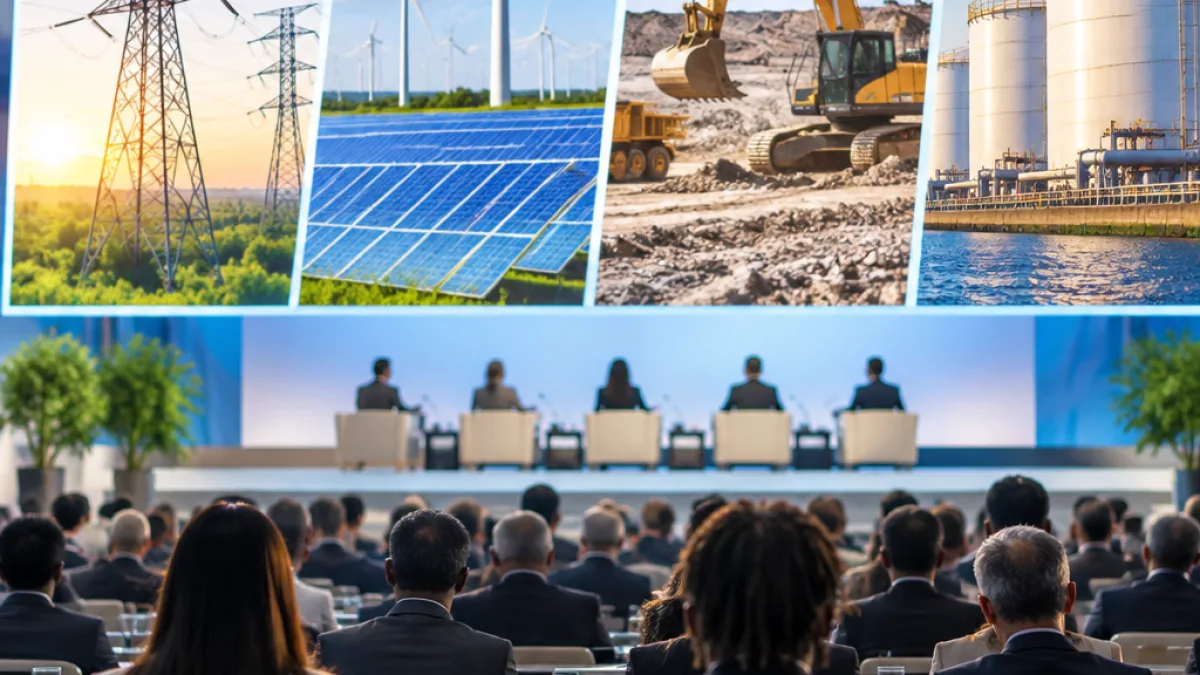
Speaking in the conference’s plenary hall on Wednesday, Al Ghais said electrification should not be treated as a complete answer to environmental challenges. He pointed to the petroleum products and diesel-powered equipment required to expand electricity networks, including the machinery used to build grid infrastructure.
“While electrification is a core part of our energy future, let us also remember that it is also heavily dependent on oil. Grid expansion requires more petroleum-derived products and diesel-powered heavy machinery.”
Al Ghais also identified risks associated with a more electricity-dependent energy system. He cited the potential for cyberattacks on energy infrastructure and supply problems involving critical minerals. He said energy policy would need to account for security, development needs and differences between countries.
OPEC’s position at the climate negotiations
OPEC and its allies, known as OPEC+, have repeatedly opposed climate language focused on rapidly reducing the use of fossil fuels. At COP28 in Dubai, the group urged its members to reject negotiating text aimed at curbing fossil-fuel use rather than concentrating on emissions. The conference ultimately included language supporting a shift away from fossil fuels but stopped short of requiring a phaseout.
Al Ghais said the world would need every major energy source to address energy security and development objectives. His position reflects OPEC’s broader argument that climate negotiations should focus on lowering greenhouse-gas emissions rather than requiring every country to abandon particular fuels on a uniform timetable.
“We will require all energies for energy security. We will require all energies to achieve sustainable development goals. We will require all energies to accommodate differences in national circumstances.”
Electrification target faces questions over power sources
The debate at COP31 centers not only on how much electricity economies use, but also on how that electricity is produced. Turkey’s proposal gives electrification a prominent role in reducing carbon emissions, while leaving the composition of the additional power supply unspecified. Turkey itself relies on fossil fuels for part of its energy system.
Organizers said Wednesday that 75 of nearly 200 participating countries had backed the voluntary pledge. The talks in Antalya are scheduled to conclude on Friday, with negotiators continuing to weigh emissions reductions, energy security and the differing economic circumstances of participating nations.
- Turkey is seeking a voluntary commitment to raise electricity’s share of final energy demand to 35% by 2035.
- OPEC says grid expansion still depends on petroleum products, diesel equipment and other fossil-fuel inputs.
- Al Ghais cited cybersecurity and critical-mineral supply as risks linked to greater electrification.